Modern companies are devoting more and more time and investment to logistics, because the current economy requires them to deliver quickly and provide a high level of service. However, it is worth knowing what transport logistics actually includes and how to set it up correctly.
What is transportation in logistics
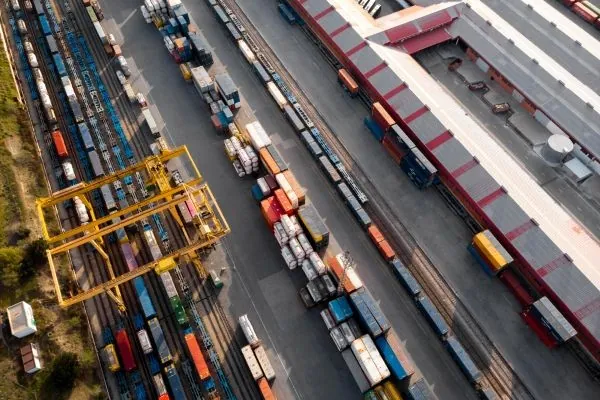
Transport logistics is a multi-stage and complex process that involves more than just transporting goods or passengers from point “A” to point “B”. In fact, it involves a lot of time for planning a trip, controlling it, and further analyzing it.
Transportation functions
Cargo must be delivered on time and without unnecessary costs – this is the basis of high-quality logistics. Its functions include both preparation for delivery and subsequent reporting and analytical analyses after the transportation has already taken place.
Main functions
Logistics (transport) covers a lot of issues for the effective functioning of a business. It forms a system of economic relations, domestic and international trade, so the importance of this area cannot be underestimated.
Transportation functions:
- cargo analysis;
- goods movement;
- transport selection;
- route planning;
- customs documents, certifications and permits;
- risk minimization processing;
- loading and unloading;
- continuous real-time cargo monitoring;
- communication with customs and resolving all issues with regulatory authorities;
- cargo and transport insurance;
- licensing and driver safety training (especially for dangerous goods).
These functions form the “core” of transport logistics – they ensure delivery of goods to the client on time, without damage or obstacles. However, transport still has to work in coordination with other logistics departments – procurement, warehousing, sales, customs.
Coordination and support functions
A specialist in a transport and logistics company is not just a logistician. He is simultaneously a communicator, strategist, analyst, and sometimes a purchaser and warehouse manager. So logistics affects critically important components of the business, and entrepreneurs may not even realize it. For example, logistics often determines the cost of goods, the level of customer service, reputation and overall competitiveness of the company.
Coordination and auxiliary functions of transportation will create all the operating conditions for high-quality transportation. They do not create the movement of cargo directly, but ensure its safety, preservation and legal legitimacy.
Logisticians will coordinate the synchronous operation of transport with all other elements of logistics – warehouse, supply, customs, customers. Thus, logistics even plays an intermediary role – and does not simply perform transportation.
Management and control
The functions of logistics management and control ensure the stability, reliability and profitability of the transportation process.
What falls under the management of logistics:
- document flow;
- cargo movement schedule;
- traffic;
- fuel costs, downtime, mileage;
- load factors and determination of KPIs of the transport unit;
- data on transportation results.
Logisticians perform delivery control not only during flights, but also within the framework of warehousing. Some transport and logistics companies also provide services for proper storage of goods. In the warehouse, they provide:
- a high degree of security;
- 24-hour supervision;
- packaging and labeling;
- sorting;
- inventory management (to avoid shortages and surpluses of goods).
Companies that use such services deliver on time and quickly – orders are processed and shipped on a regular and professional level.
Logistics processes of transport logistics
Logistics processes of transport logistics are everything that happens between “ordering delivery” and “receiving cargo”. They combine planning, transportation, control and improvement into a single continuous cycle.
What services do logistics companies perform:
- road freight transportation;
- rail transportation;
- air transportation;
- sea transportation;
- customs and brokerage documentation;
- warehousing;
- 4PL;
- groupage;
- multimodal transportation.
Logistics should be considered only as a single system where transport, warehouse, production, information and finance interact. Each decision in the logistics process entails consequences for the next. Therefore, any change must be assessed in terms of its impact on the entire network.
The role of transport logistics in the enterprise system
Transport processes occupy an important place in the systems of any business. About 40–60% of logistics costs in most enterprises fall on transportation. That is why they need to be rationalized and trusted only to professionals.
What high-quality transport logistics does for the company:
- reduces delivery time;
- saves costs by more than 30%;
- helps to avoid fines and delays;
- improves customer service;
- synchronizes the processes of sales and storage of products.
Every company needs a continuous supply of raw materials, supplies and finished products – without this it will not establish stable and successful business processes.
Logistics is often the last contact between a client and a company. It is the speed and quality of delivery that form the impression of a company, affect its reputation and the level of loyalty of consumers and partners.
Principles of effective transport logistics
The task of transport logistics is not just to develop a route – but to choose the fastest, most economical and at the same time the safest direction.
Thanks to what principles transport logistics becomes effective:
- cost minimization;
- route optimization;
- cargo consolidation;
- selection of only the most appropriate transport and its combination;
- efficient use of space in the container and transport, full use of load capacity;
- the principle of standardization of containers.
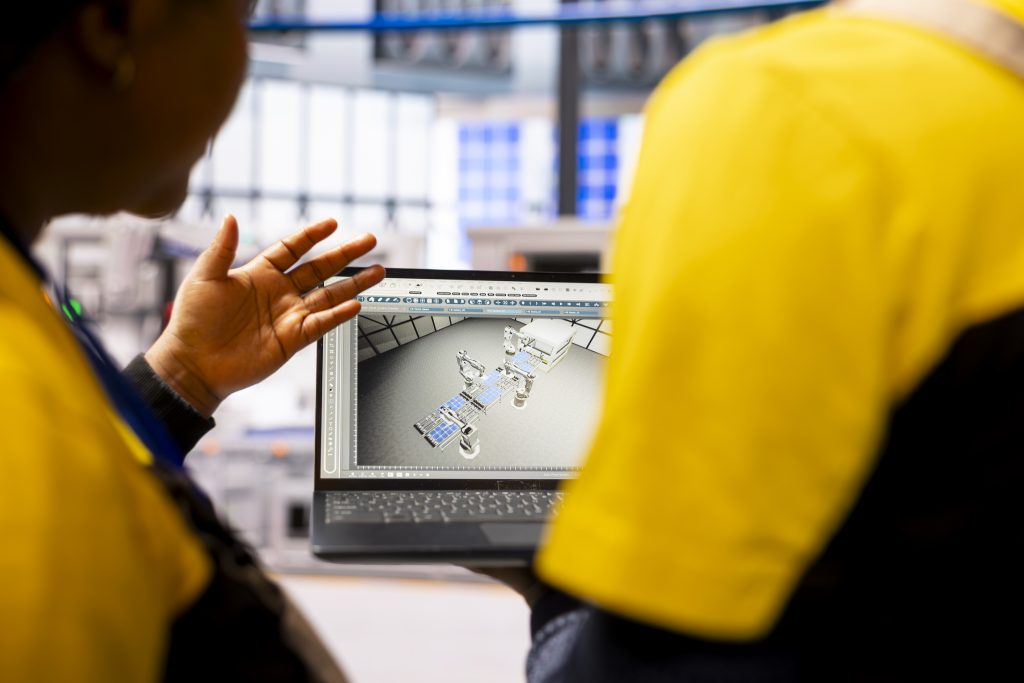
Current transport logistics is integrated into digital management systems. Experienced logistics companies use modern tools to facilitate work at all stages of delivery. Among them: TMS systems, GPS, electronic invoices, digital declarations and WMS (for warehouse management).
Conclusion
Effective transport logistics is based on a combination of economic feasibility, technological consistency, flexibility and reliability. In order for delivery to take place without loss of time and quality, the entire logistics system of the enterprise should be entrusted to professionals. They will take on the entire complex transportation network, its planning and reporting, and the business will be able to focus on other important tasks.