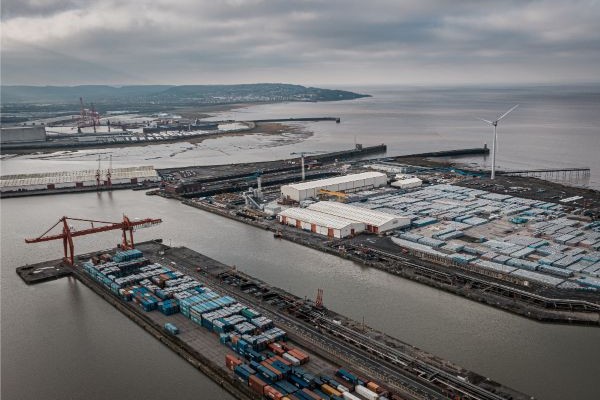
In this article, we will consider how sea transportation of goods is organized, what documents are required for transportation by sea, and what you should pay attention to when choosing this type of transportation.
What is sea freight transportation and when it is the optimal solution
Sea freight is the transportation of goods by ships across oceans, seas and waterways using specialized ports and terminals. Transportation of cargo by sea transport is optimal when it comes to large volumes of cargo, long distances and the absence of strict time constraints. It is profitable to transport raw materials, construction materials, machinery, container consignments of consumer goods by sea. If the cargo is urgent, small-sized or has a limited shelf life, it is more appropriate to consider air or road transportation.
Advantages of international sea transportation for business
The main advantage of sea freight transportation is the low cost of delivery per unit of cargo compared to air or motor transport. Ships are capable of transporting thousands of tons of cargo in one voyage, which significantly reduces logistics costs for large-scale deliveries and makes international sea transportation profitable for businesses of any scale.
Other advantages of cargo transportation by sea include:
- the possibility of transporting almost any type of cargo, including oversized and dangerous ones;
- high reliability and predictability of routes;
- less environmental impact compared to air transportation;
- developed global infrastructure of ports, which allows to deliver goods almost anywhere in the world;
- the possibility of combining with other modes of transport (multimodal transportation).
How sea container transportation is carried out: stages of delivery
The process of sea container transportation consists of several consecutive stages:
- Reservation of a place on a ship — agreement with the carrier on the date of departure, type of container and route.
- Loading of the cargo into the container at the sender’s warehouse or at the port in compliance with the rules of fastening and weight distribution.
- Customs clearance at the port of departure — submission of the declaration and accompanying documents.
- Transportation of the container to the port by road or rail transport.
- Sea freight is the actual transportation by ship to the port of destination, which can take from several days to several weeks depending on the route.
- Unloading and customs clearance at the port of destination with document verification and, if necessary, physical inspection of the cargo.
- Delivery to the final recipient by land transport from the port to the warehouse or enterprise.
It was containerization that made sea transportation of goods as standardized and predictable as possible, and sea transport services became available even for small companies.
What documents are required for cargo transportation by sea
The package of documents for transporting cargo by sea depends on the type of cargo and countries of departure and destination, but the basic list usually includes:
- bill of lading (Bill of Lading) — the main transport document confirming the acceptance of the cargo for transportation and the right to ownership of it;
- commercial invoice (Commercial Invoice) indicating the value of the goods;
- packing list (Packing List) with a description of the contents, weight and dimensions of the cargo;
- certificate of origin of goods;
- customs declaration;
- insurance policy, if the cargo is insured;
- permit documents — phytosanitary, veterinary or other certificates depending on the product category.
The absence or incorrect execution of at least one document can cause the cargo to be delayed at the customs, so the preparation of documents for sea transportation of cargo should be started in advance.
Basic international rules and requirements for sea transportation of cargo
International maritime transport is regulated by a number of conventions and standardized rules:
- The Hague-Visby Rules and the Hamburg Rules determine the responsibility of the carrier for the safekeeping of the cargo;
- The SOLAS Convention establishes requirements for the safety of ships and the transportation of dangerous goods;
- The rules of Incoterms (Incoterms) determine the distribution of duties, costs and risks between the seller and the buyer at each stage of delivery;
- The IMDG Code regulates the carriage of dangerous goods by sea;
- requirements of the World Customs Organization (WCO) regarding cargo declaration and control.
Compliance with these norms is mandatory for all participants in the logistics chain – from the sender to the carrier and customs authorities, because they form the legal basis on which any sea transportation of goods in the world is based.
Types of cargo transported by sea
Transportation by sea transport is universal and allows transporting almost all categories of cargo:
- general cargo — packaged goods, machinery, equipment;
- bulk and bulk cargoes — grain, coal, ore;
- bulk cargoes — petroleum products, chemicals in tankers;
- container cargo — consumer goods, electronics, textiles;
- oversized and heavy loads — industrial equipment, construction equipment;
- dangerous goods requiring special marking and transportation conditions in accordance with the IMDG code;
- refrigerated cargo – perishable products transported in temperature-controlled containers.
Such a range makes sea freight transportation a universal solution for most sectors of the economy.
Sea transportation in Ukraine: features of organization and customs clearance
Customs clearance of goods going to or from Ukraine is carried out in accordance with the Customs Code of Ukraine and the requirements of the State Customs Service. It is important for foreign economic activity participants to prepare a full package of documents in advance, correctly determine the UKT FEA code for the goods and take into account possible additional checks related to the current situation in the region. Many companies turn to customs brokers and operators who provide turnkey sea transport services and accompany the cargo at all stages.
Conclusion
International sea freight transportation remains an effective and cost-effective solution for businesses that work with large volumes of cargo over long distances. Successful organization of cargo transportation by sea requires understanding the stages of the logistics process, proper documentation, and compliance with international and national regulations. Turning to experienced sea transport service providers allows you to minimize the risks of delays and additional costs, as well as ensure transparency at every stage of transportation.
FAQ
1. What documents are required for international sea freight transportation?
The basic package includes a bill of lading, commercial invoice, packing list, certificate of origin, customs declaration and, if necessary, an insurance policy and permits.
2. What types of cargo can be transported by sea?
General, bulk, bulk, container, oversized, dangerous and refrigerated cargoes are transported by sea – almost any category of goods, provided that the relevant requirements are met.
3. How long does international sea freight transportation take?
The duration depends on the route and the distance between ports – from a few days on short routes to 30–45 days or more on intercontinental routes.
4. What rules regulate the transportation of cargo by sea?
The main ones are the Hague-Visby and Hamburg Rules, the SOLAS Convention, the IMDG Code for dangerous goods, as well as the Incoterms conditions, which determine the division of responsibility between the parties to the agreement.