Modern trends in logistics development are impossible without green logistics. Today, this is the main strategy that globally influences global trends in this industry. So, to be on par with international partners and businesses, it is worth starting to implement environmental friendliness in your supply chains now.
What is green logistics and its role in modern transport
Green (ecological) logistics is an approach to supply chain management that minimizes negative impacts on nature, while not losing efficiency and quality of service. This applies not only to transportation, but also to warehousing and labeling of cargo.
Green logistics consists in limiting:
- CO2 emissions;
- fuel consumption;
- waste volumes;
- noise levels;
- electricity consumption.
Every year, transport and logistics companies take their impact on the environment more seriously, so they are reviewing their approach to ecology and road transport. In particular, they measure carbon footprint and openly publish ESG reports.
Environmental standards in Europe for transportation
EU environmental standards are the most famous in the world, so they significantly affect most logistics companies. They are forced to update their fleet more often, reduce mileage and monitor compliance with environmental requirements.
The current basic standard is Euro 6. Its features are a significant reduction in NOx emissions and the mandatory installation of exhaust cleaning systems. Old trucks that do not fall under the Euro 6 standard pay higher road tolls or may not even be allowed into the EU.
However, in 2026, a new environmental standard, Euro 7, will gradually be introduced. It sets requirements for battery durability and, for the first time, regulates particulate emissions not only from the exhaust pipe, but also from brake systems and tire wear.
How ecology affects road transport and logistics
Ecology and road transport are inextricably linked, because, unfortunately, it is transport that is the largest source of greenhouse gases, air pollution and fuel consumption. That is why the ecology of transport is the main direction of green logistics.
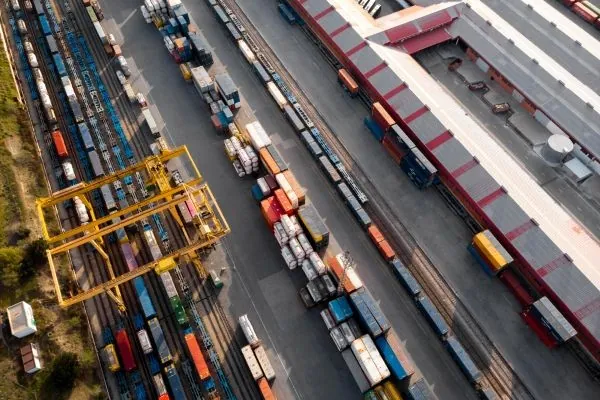
The ecology of transport consists in the use of electric trucks, hybrid cars and hydrogen transport. It also makes sense to use rail transport instead of road transport. One train can replace dozens of trucks and significantly reduce emissions into the atmosphere.
Current trends in the development of logistics in Europe
In general, it is Europe that is shaping the logistics model of the future, which is subsequently spreading globally. The current EU transport industry is slowly moving from traditional deliveries to intelligent digital systems.
Current trends in the development of logistics are as follows:
- digitalization of logistics;
- use of TMS, WMS, ERM systems;
- green logistics;
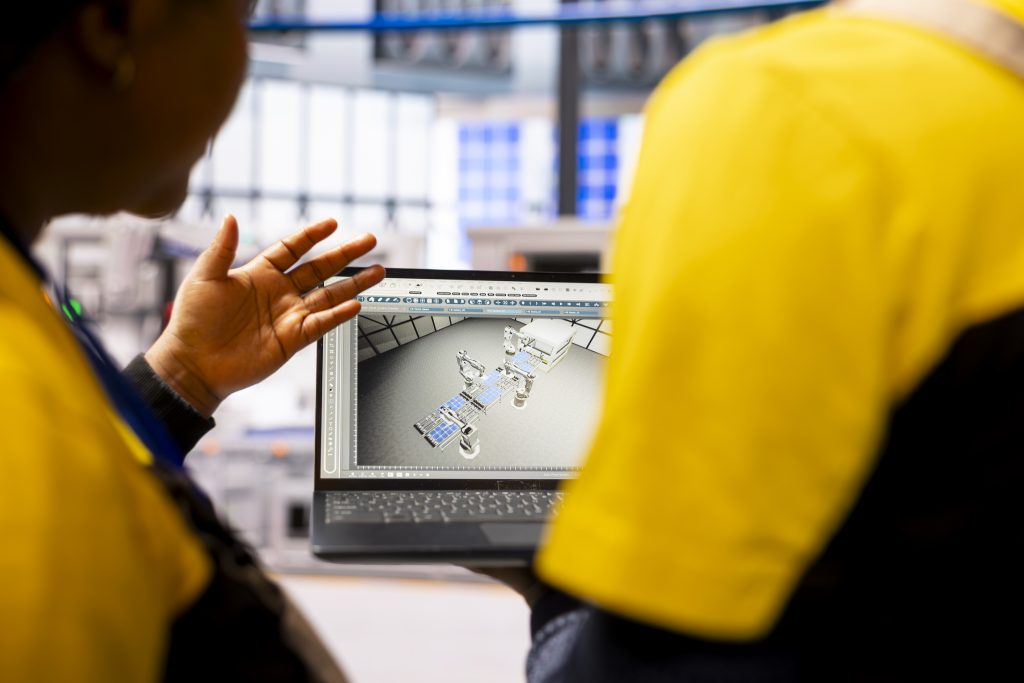
- robotization in warehouses;
- automation in transport (digital control, AI dispatching);
- use of AI in forecasting, analytics, inventory management.
What to expect from green logistics in the future? Most likely, there will be even greater development of autonomous electric trucks, drone delivery, hydrogen transport, “smart” warehouses and full digitalization of document flow.
Green logistics in Ukraine: prospects and challenges
Transport and logistics companies in Ukraine, which value the relevance and safety of their services, have already begun to integrate green logistics.
However, green logistics in Ukraine faces a number of challenges:
- high initial cost of modernization;
- electric trucks are expensive;
- insufficient infrastructure (few charging stations for alternative transport);
- additional staff training;
- complexity of changing processes;
- the need to restructure all supply chains.
Nevertheless, green logistics in Ukraine will continue to be implemented due to critically important factors. These are EU integration and rising fuel costs.
Conclusion
Green logistics is not only responsibility, but also economy. Green logistics significantly saves businesses budget due to fuel savings and better access to the EU market. Therefore, we recommend cooperating only with those logistics companies that have an ecological fleet and “green” certificates.